Natural rubber is a key ingredient in over 50,000 products in a large number of industries. These uses include tires for aviation and automobiles and critical medical supplies, such as catheters and gloves. A sudden decline in rubber inputs would impose significant costs on both the economy and national security.
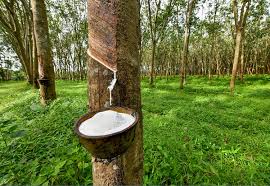
Presently, virtually all natural rubber comes from rubber trees (Hevea brasiliensis). The U.S. imports almost all its natural rubber from a few countries in Southeast Asia. Unfortunately, the supply of rubber responds slowly to increases in demand. It takes about seven to ten years for a newly planted rubber tree to produce latex.
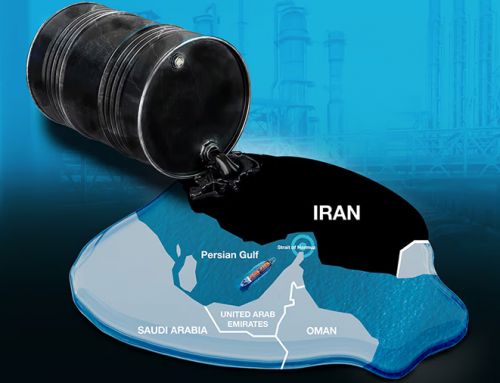
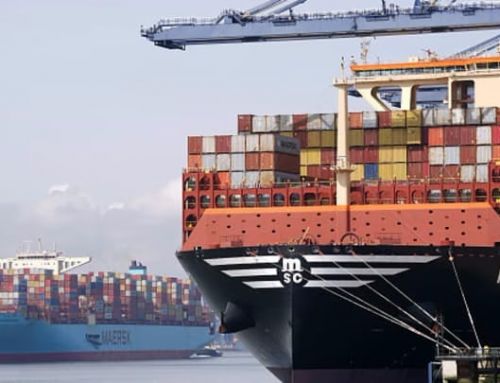
In addition to steadily growing demand, supplies also face a number of specific threats, including disease, severe weather, dependence on a small number of countries, and shipping lanes which are vulnerable to political disputes. Rubber markets are also heavily influenced by China, which is the largest importer of natural rubber. China has been expanding its physical and economic presence in nations that produce natural rubber. It is also the sole source for many of the products needed to make synthetic rubber.
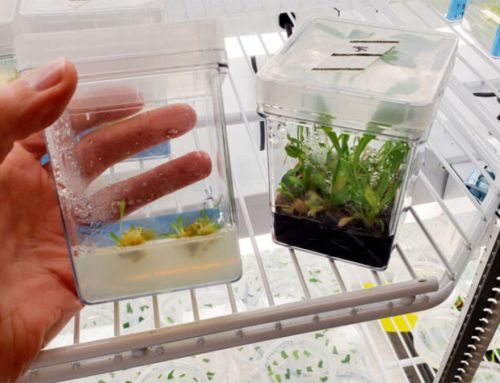
To address this vulnerability, the U.S. should consider creating a national stockpile of natural rubber that could be drawn down in times of scarcity. It should also significantly increase federal research into alternative sources of rubber, including synthetic rubber. Finally, it should work with producing nations to increase yields and reduce environmental concerns.